

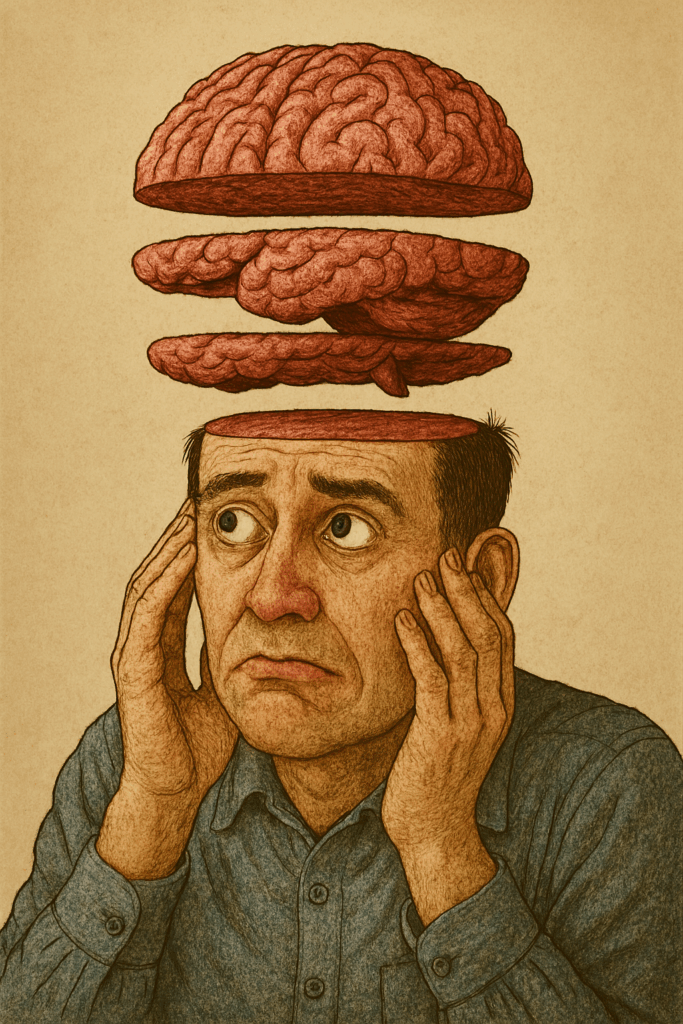
Separation of concerns is a design principle that organizes a system into distinct parts, with each part addressing a specific concern or responsibility. In real life, it’s about compartmentalizing tasks, roles, or even physical spaces to improve efficiency and reduce complexity.
Real-Life Examples of Separation of Concerns
We use this principle constantly, often without realizing it.
- Organizational Structure: A company has different departments—sales, marketing, accounting, and human resources. Each department has a specific function and is responsible for a distinct set of tasks. This prevents a single person or group from being overwhelmed and ensures that each area of the business is handled by specialists.
- Home Organization: A house is divided into rooms with specific purposes. The kitchen is for cooking and eating, the bedroom is for sleeping, and the bathroom is for hygiene. This separation makes it easier to keep things organized and ensures that each activity has its own dedicated space.
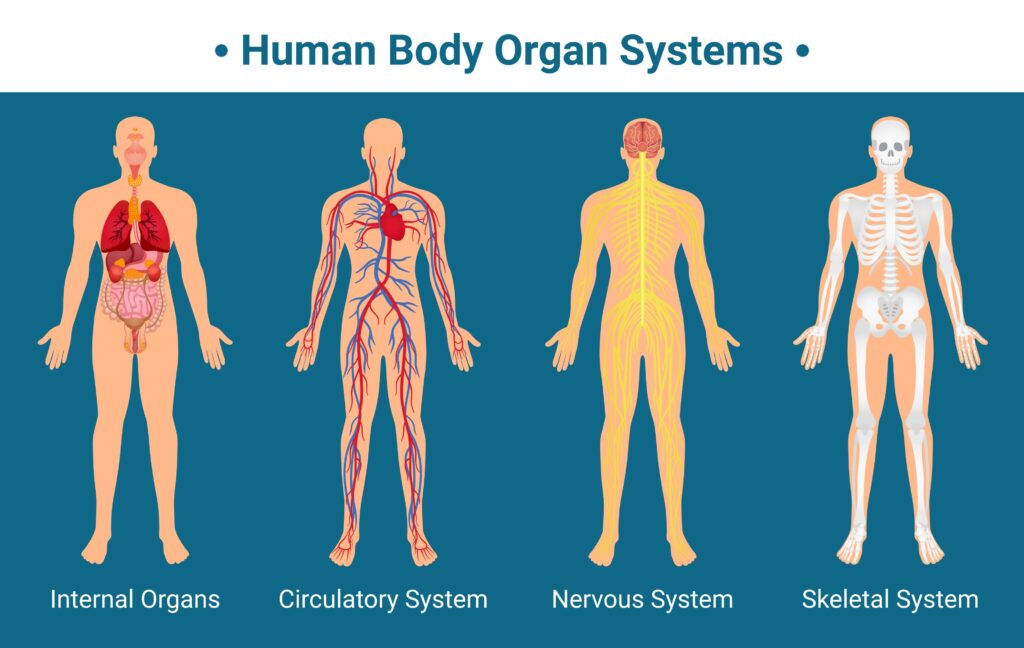
- The Human Body: Our bodies are a masterclass in separation of concerns. Different organs and systems have distinct roles. The digestive system processes food, the circulatory system transports blood and oxygen, and the nervous system handles communication. Each system performs its function without interfering with the others.
The Brain’s Reaction to Mixed Responsibilities
When faced with many mixed responsibilities, the human brain doesn’t truly multitask. Instead, it engages in rapid task-switching, which is inefficient and mentally taxing. This has several negative consequences:
- Increased Cognitive Load: Switching between tasks requires the brain to disengage from one set of rules and goals and activate a new one. This process, known as “cognitive context switching,” consumes significant mental energy.
- Higher Stress Levels: The constant demands and pressure of juggling multiple, unrelated responsibilities can lead to increased production of the stress hormone cortisol, which can result in anxiety and mental fatigue.
- Reduced Performance and Accuracy: Research shows that multitasking can lead to a drop in productivity of up to 40%. The frequent switching makes us more prone to errors, forgetfulness, and poor decision-making.
- Cognitive Dissonance: The brain struggles with conflicting goals or beliefs. When you’re trying to perform tasks with different and sometimes opposing requirements, it creates a state of psychological discomfort. To resolve this, your brain may prioritize one task and suppress the other, or it may simply lead to a general feeling of being overwhelmed and unable to focus.